
The number of students in Uzbekistan exceeds 1.5 million
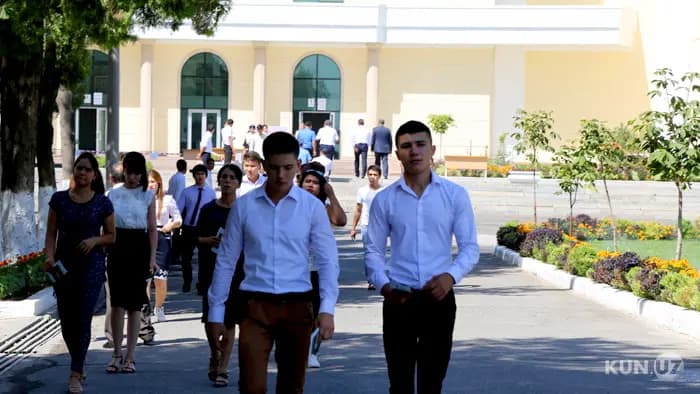
At the beginning of the 2025-2026 academic year, the number of students enrolled in higher education institutions in Uzbekistan reached 1 million 535 thousand. This figure shows an increase of nearly 4.6 times compared to the 1991-1992 academic year.

Continue this topic
Related news

The Project to Supply Drinking Water from the “Hisorak” Reservoir Will Be Accelerated
The project to bring drinking water from the 'Hisorak' reservoir has been announced to be accelerated. This project will improve the drinking water supply for 1.1 million residents in the Qamashi, G‘uzor, and Qarshi districts as well as Qarshi city.

It is planned to keep the budget deficit below 3 percent of GDP until 2029.
According to the Fiscal Strategy project of the Government of Uzbekistan for 2027–2029, ensuring medium-term macroeconomic and budget stability is one of the top priorities. The document outlines that the budget deficit should not exceed 3 percent of the gross domestic product (GDP).

Uzbekistan Strengthens Critical Mineral Supply Chain
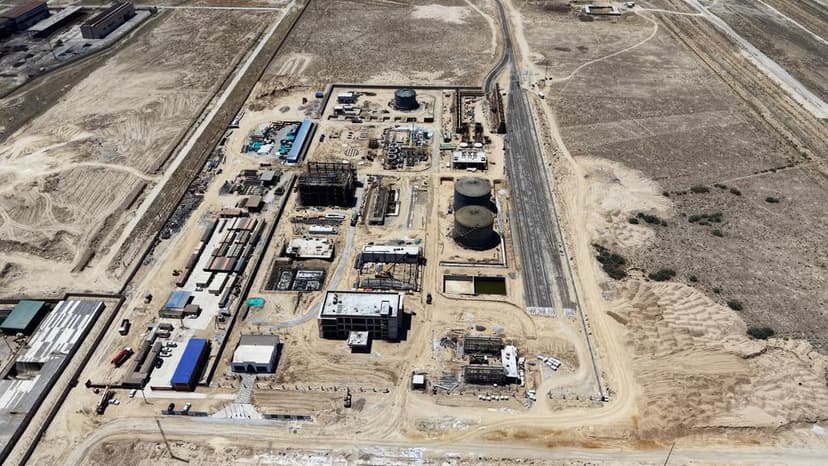
Today, the global competition for critical minerals has increased, making sulfuric acid one of the important industrial products. Uzbekistan realizes it cannot operate the mining and processing of uranium, copper, tungsten, molybdenum, and other metals without sulfuric acid.

Three More Modern Trains Arrive for Tashkent Metro
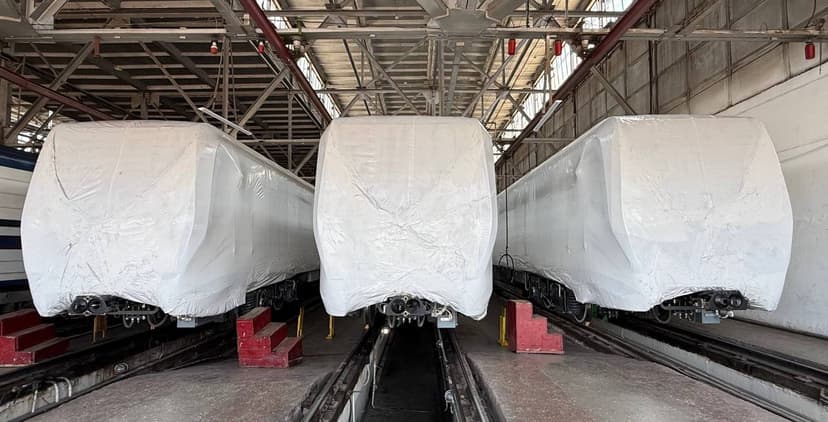
The Tashkent Metro continues its efforts to renew its rolling stock. On July 20, three more modern trains were brought to the capital's metro system.

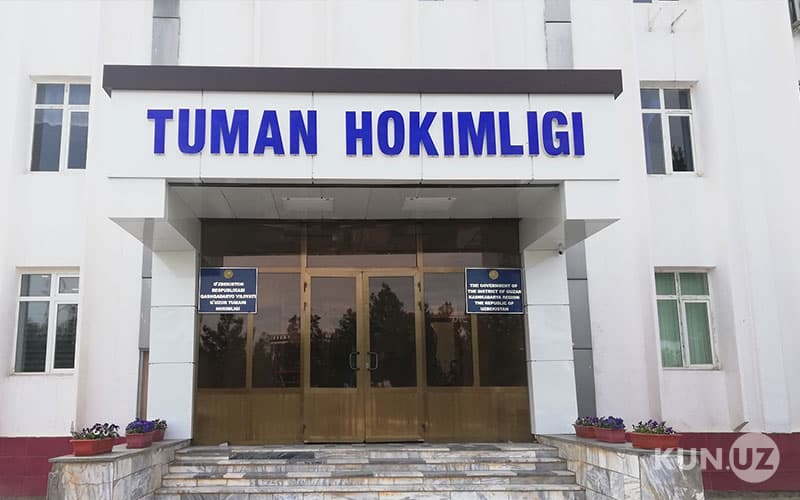
Mayors will be held personally responsible for the infrastructure of difficult neighborhoods
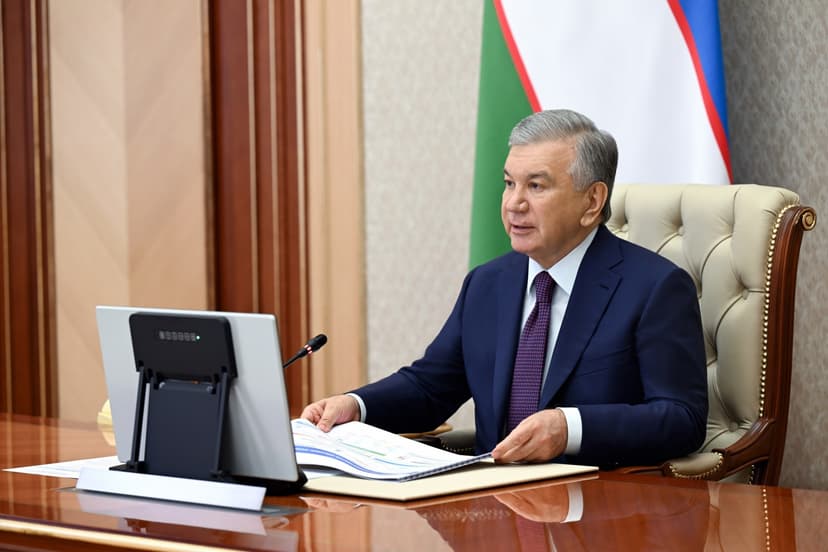
In Uzbekistan, out of a total of 9,000 neighborhoods, 2,000 have been classified as 'most challenging' based on social and economic indicators. President Shavkat Mirziyoyev announced this.

A Unified Wholesale Rate for Drinking Water System in Uzbekistan Proposed
A plan to establish a Main Water Supply Enterprise is underway to improve Uzbekistan's drinking and wastewater services. Furthermore, a proposal has been made to supply drinking water to regional enterprises based on a unified wholesale rate.